Tarot card meanings
All 78 tarot cards with their upright and reversed keywords — and the zodiac degrees each one rules, which is the column every other list leaves out.
78 cards
| Card | Upright | Reversed | Rules |
|---|---|---|---|
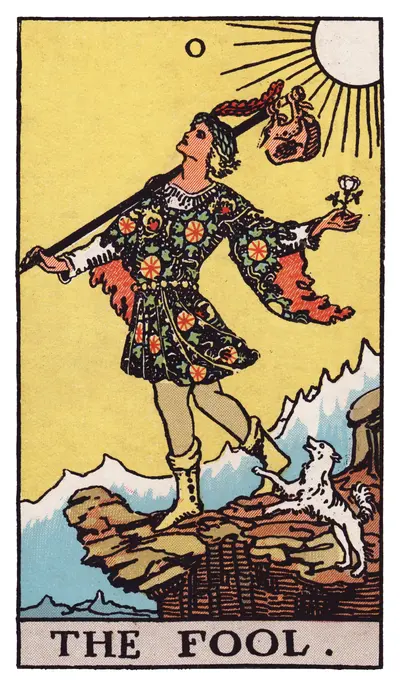
The FoolMajor Arcana 0 | beginningsinnocenceleap of faith | recklessnesshesitationbad timing | Air |
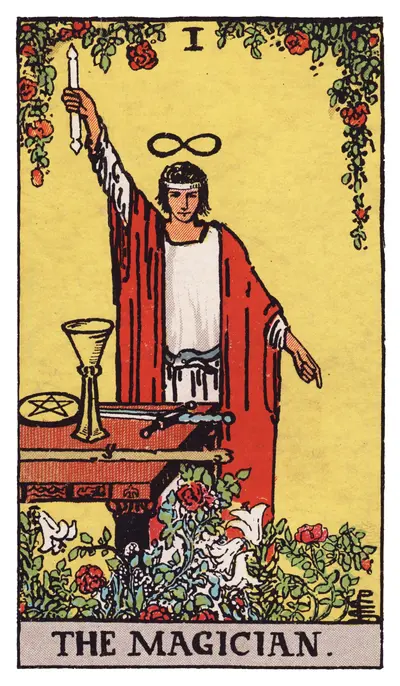
The MagicianMajor Arcana 1 | willresourcefulnessmanifestation | manipulationuntapped talentpoor planning | Mercury |
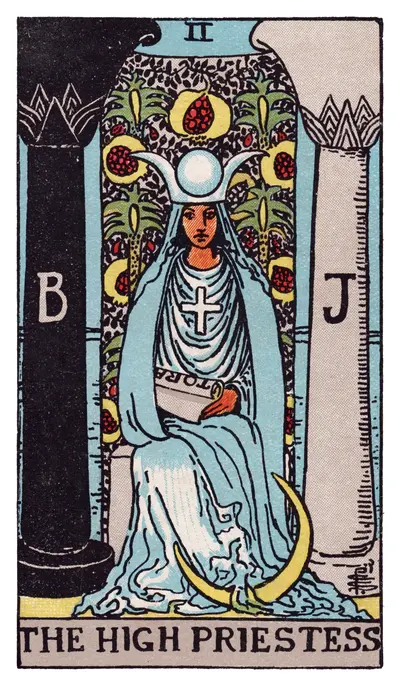
The High PriestessMajor Arcana 2 | intuitionthe unconscioussecrets | hidden motivesdisconnectionsilence withheld | Moon |
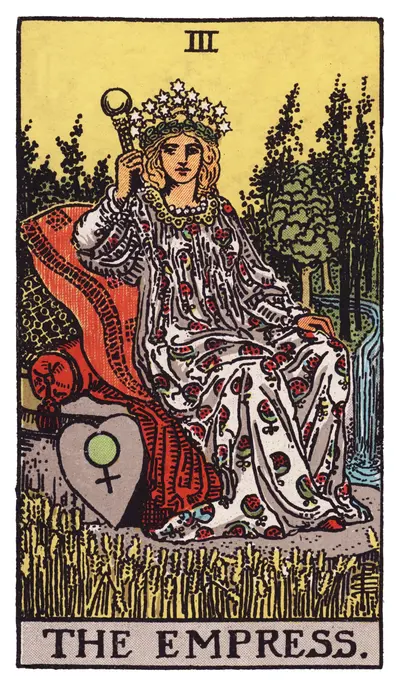
The EmpressMajor Arcana 3 | abundancenurturefertility | dependencesmotheringcreative block | Venus |
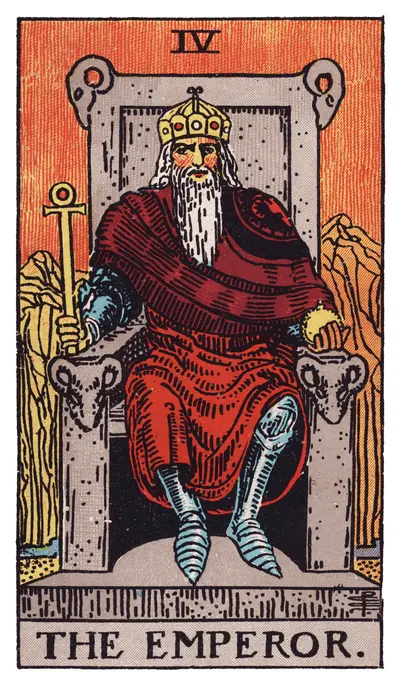
The EmperorMajor Arcana 4 | structureauthorityboundaries | dominationrigiditylost control | Aries |
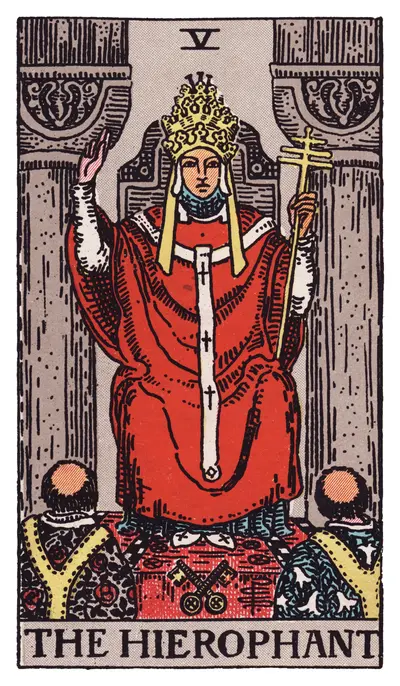
The HierophantMajor Arcana 5 | traditionteachinginstitutions | dogmarebellionhollow ritual | Taurus |
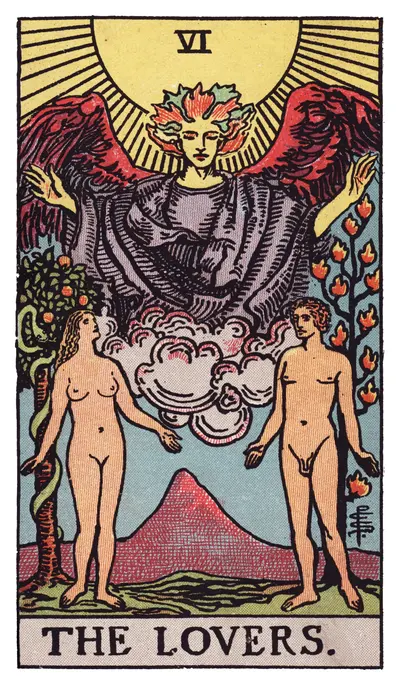
The LoversMajor Arcana 6 | unionvaluesa real choice | misalignmentavoidancesplit loyalties | Gemini |
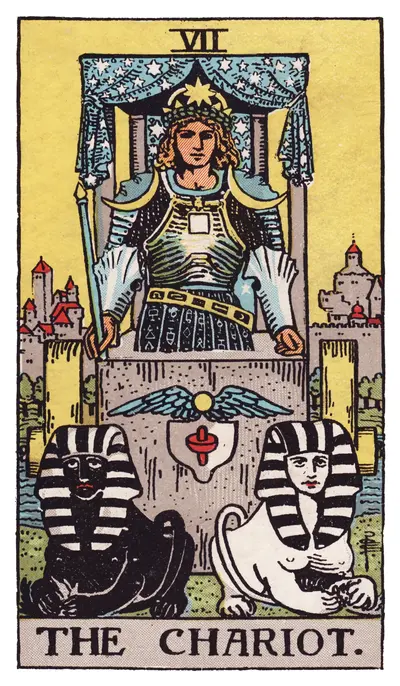
The ChariotMajor Arcana 7 | drivedirectionhard-won control | scattered forceobstructiondrift | Cancer |
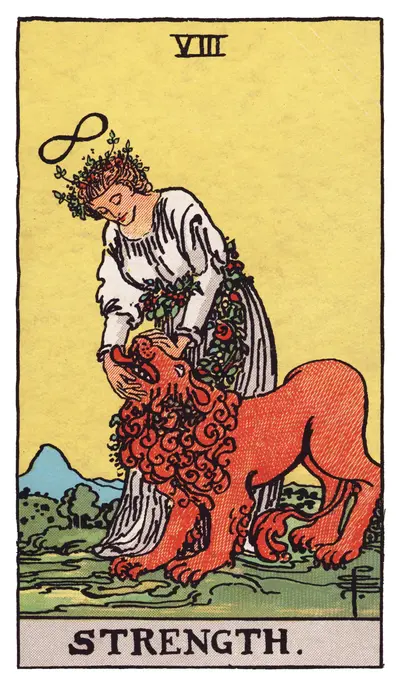
StrengthMajor Arcana 8 | couragepatiencegentle power | self-doubtforced effortraw impulse | Leo |
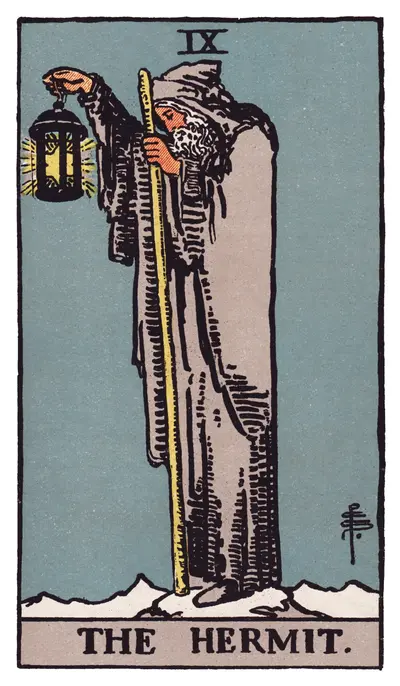
The HermitMajor Arcana 9 | solitudesearchinner counsel | isolationwithdrawalrefusing guidance | Virgo |
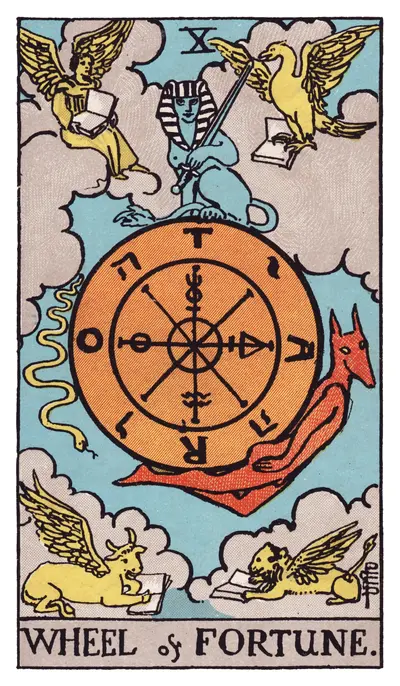
Wheel of FortuneMajor Arcana 10 | turning pointcyclesluck | resistancedelayrepeating the loop | Jupiter |
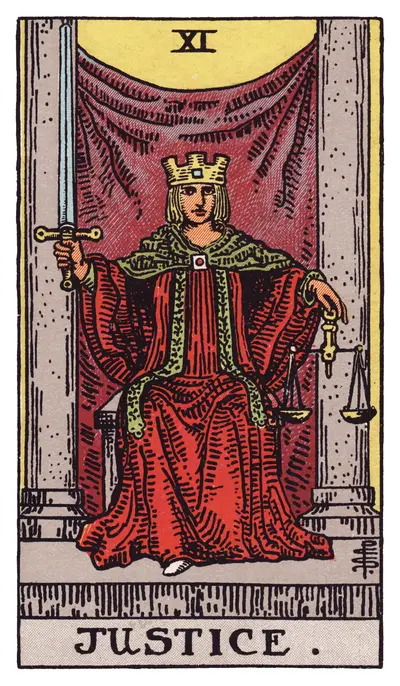
JusticeMajor Arcana 11 | fairnesscause and effecttruth | imbalanceevasionunaccountability | Libra |
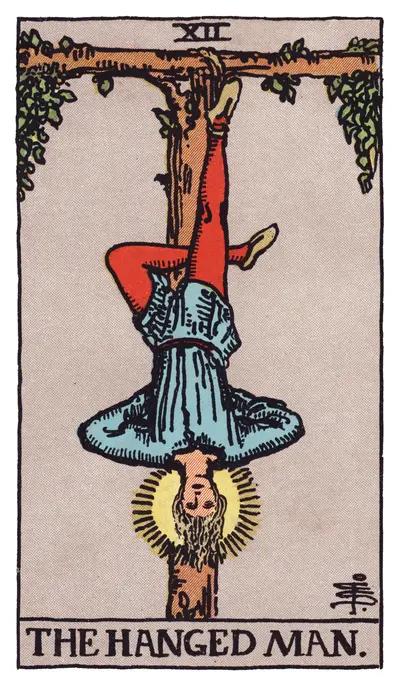
The Hanged ManMajor Arcana 12 | suspensionnew anglesurrender | stallingmartyrdomwasted pause | Water |
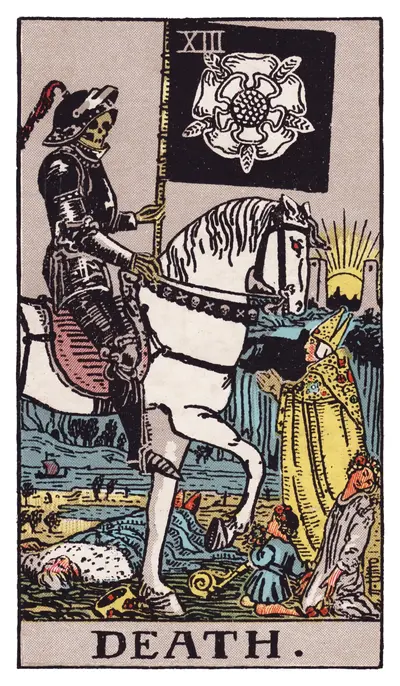
DeathMajor Arcana 13 | endingtransitionclearing out | clingingstagnationfear of change | Scorpio |
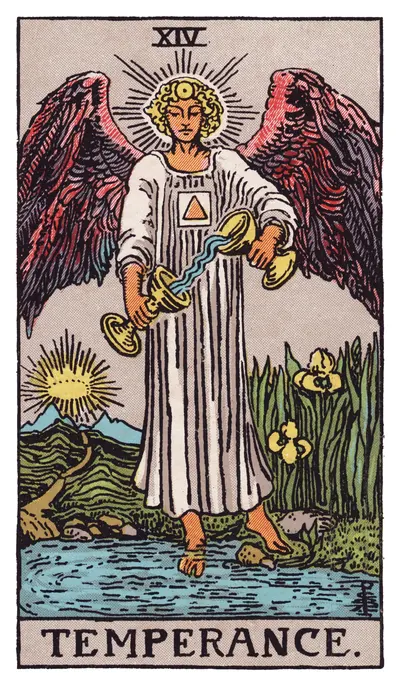
TemperanceMajor Arcana 14 | balanceblendingmoderation | excessimbalanceimpatience | Sagittarius |
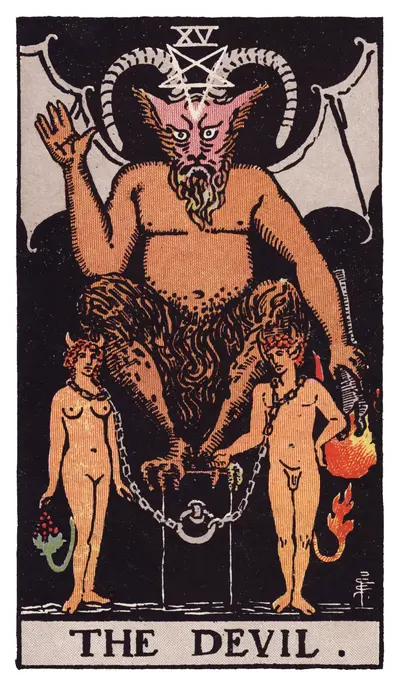
The DevilMajor Arcana 15 | attachmentappetitethe bargain | releaseseeing the trapreclaiming power | Capricorn |
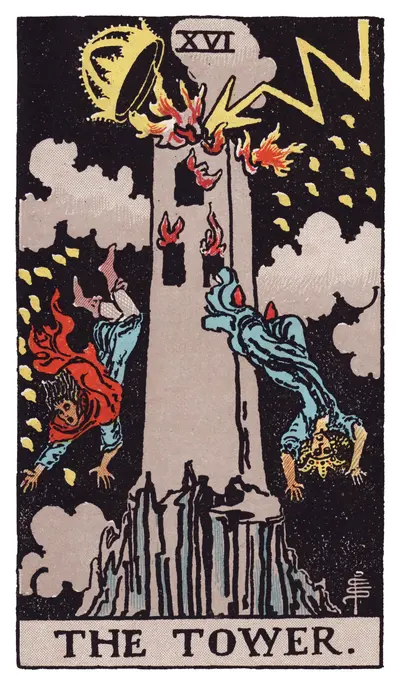
The TowerMajor Arcana 16 | upheavalrevelationcollapse | delayed reckoningaverted disasterresistance | Mars |
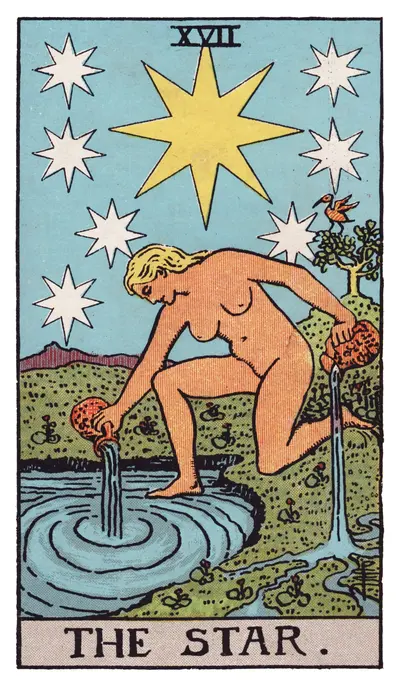
The StarMajor Arcana 17 | hoperenewalquiet guidance | discouragementdisconnectionlost faith | Aquarius |
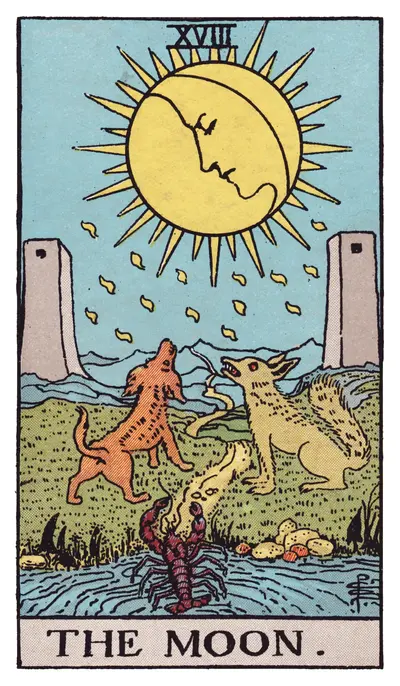
The MoonMajor Arcana 18 | uncertaintyprojectiondreams | clarity returningconfusion liftingtruth surfacing | Pisces |
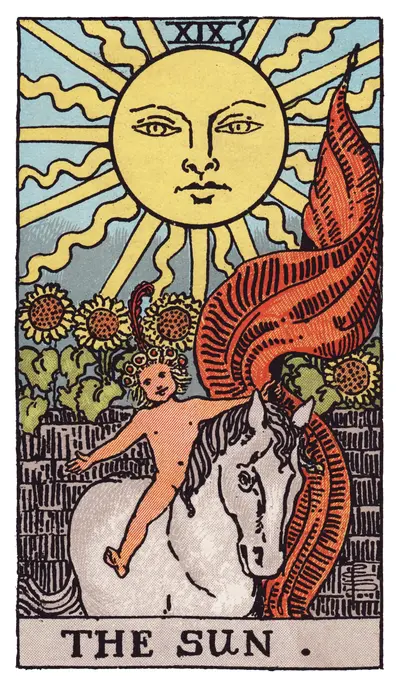
The SunMajor Arcana 19 | clarityvitalitysuccess | dimmed joydelayoverexposure | Sun |
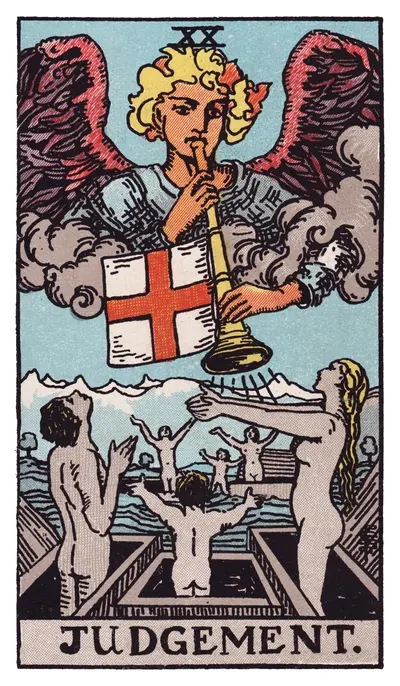
JudgementMajor Arcana 20 | reckoningcallingawakening | self-doubtavoidanceignored summons | Fire |
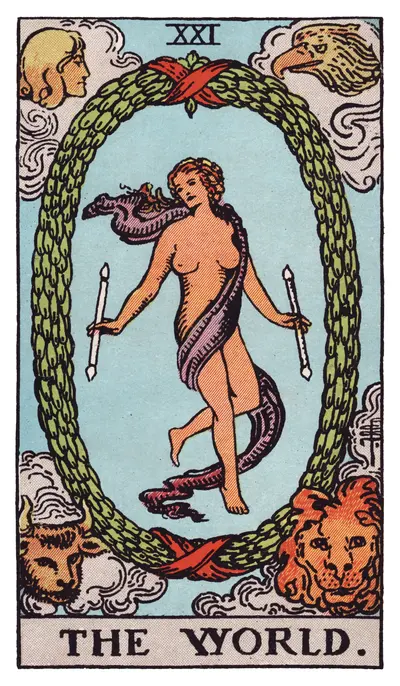
The WorldMajor Arcana 21 | completionintegrationarrival | unfinished businessshortcutsdelayed closure | Saturn |
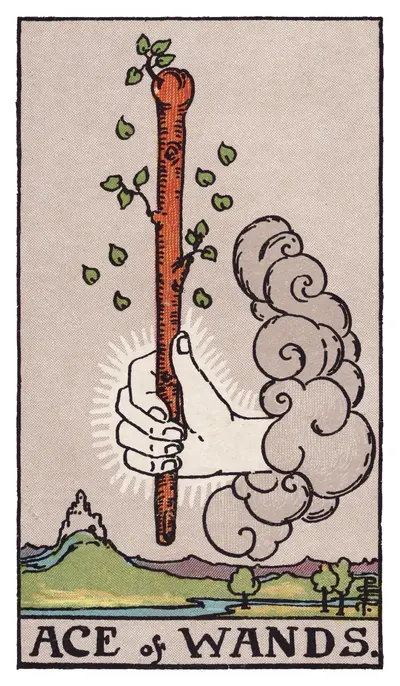
Ace of WandsWands · fire | sparkinitiativeraw potential | false startstalled drivescattered energy | Root of Fire |
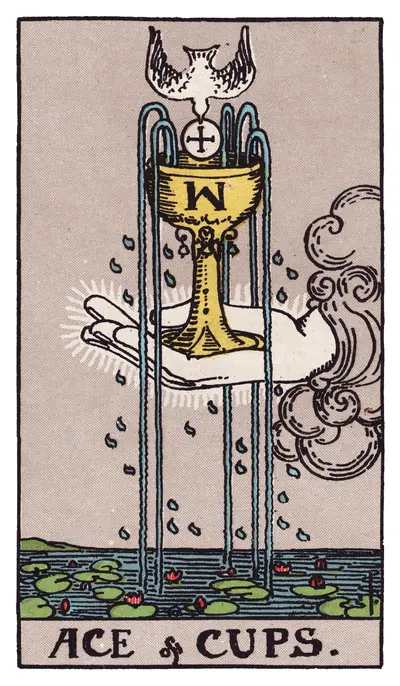
Ace of CupsCups · water | new feelingopennessoverflow | blocked emotionguardednessemptiness | Root of Water |
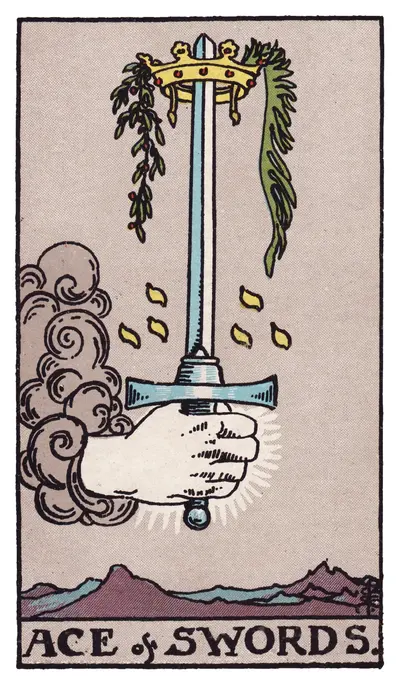
Ace of SwordsSwords · air | claritytruthbreakthrough | confusionmisused insightharsh words | Root of Air |
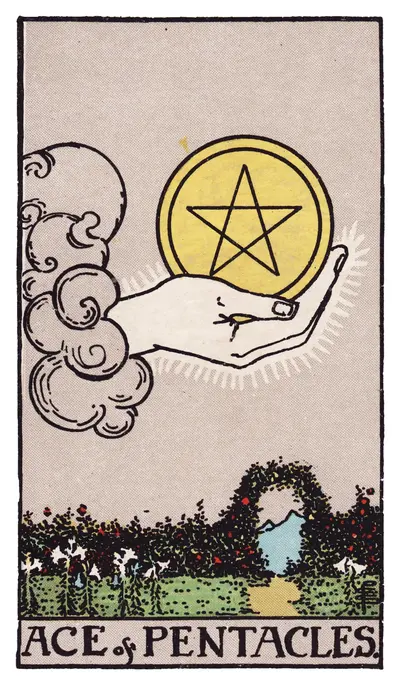
Ace of PentaclesPentacles · earth | opportunityseedtangible start | missed chancepoor footingdelay | Root of Earth |
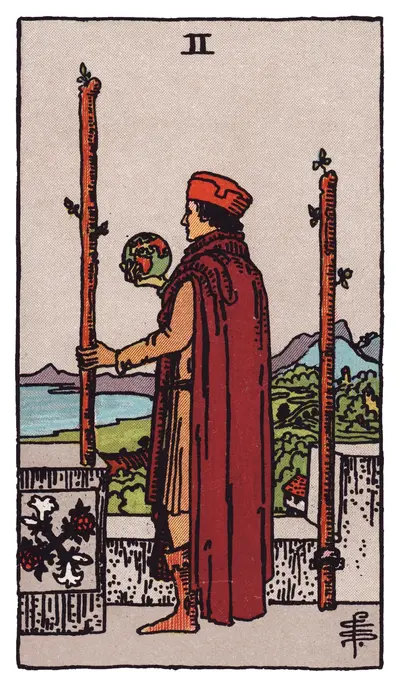
Two of WandsWands · fire | planningscopefirst decision | indecisionplaying smallfear of leaving | Mars in Aries · decan 1 · 0°–10° |
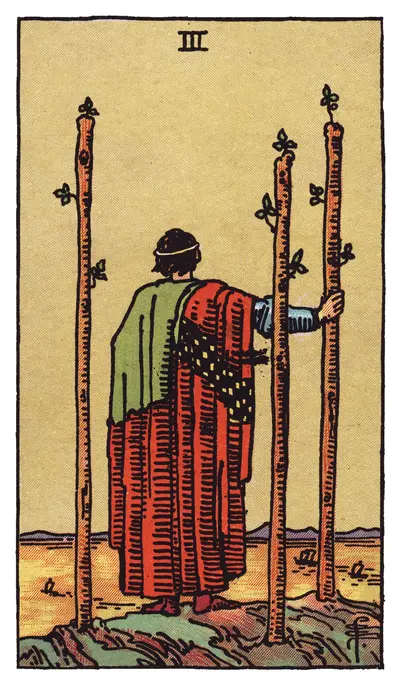
Three of WandsWands · fire | expansionforesightships out | delaysnarrow viewobstacles ahead | Sun in Aries · decan 2 · 10°–20° |
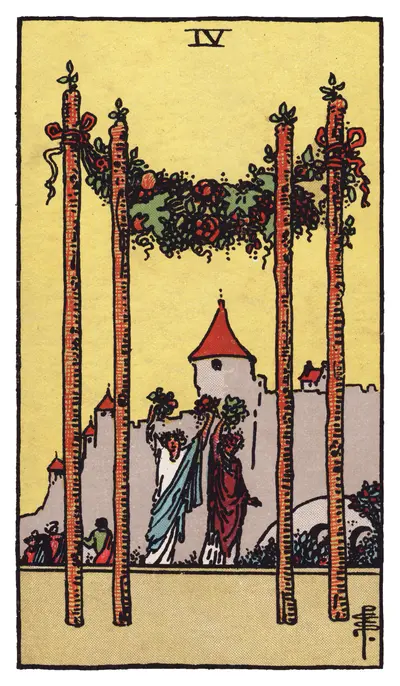
Four of WandsWands · fire | celebrationhomemilestone | transitionunstable groundmuted joy | Venus in Aries · decan 3 · 20°–30° |
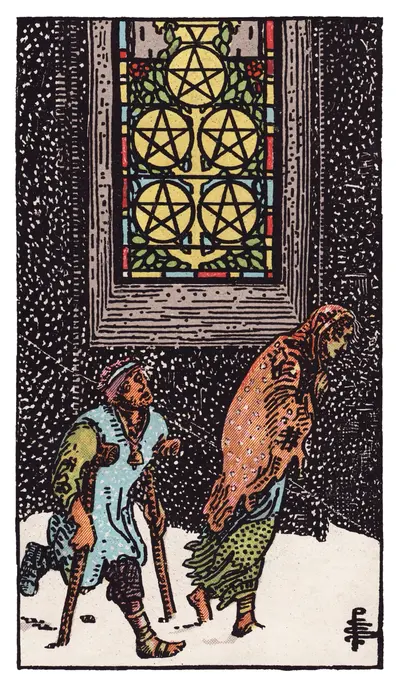
Five of PentaclesPentacles · earth | hardshipexclusionlack | recoveryhelp acceptedturning point | Mercury in Taurus · decan 1 · 30°–40° |
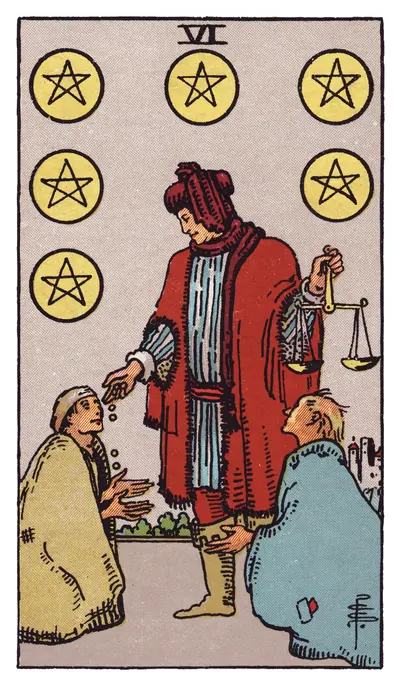
Six of PentaclesPentacles · earth | givingreceivingfair exchange | strings attachedimbalancedebt | Moon in Taurus · decan 2 · 40°–50° |
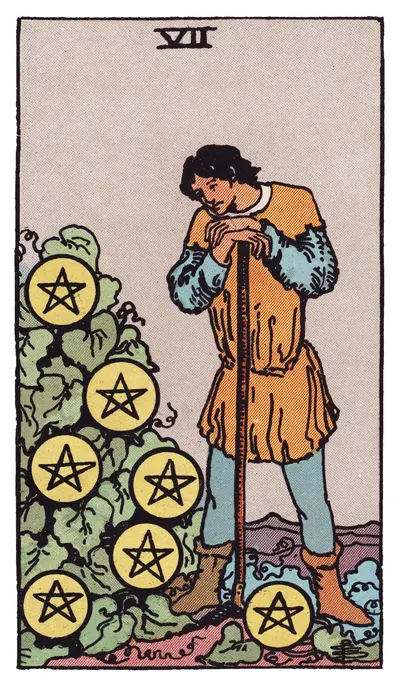
Seven of PentaclesPentacles · earth | patiencereviewlong game | impatiencewasted effortpoor return | Saturn in Taurus · decan 3 · 50°–60° |
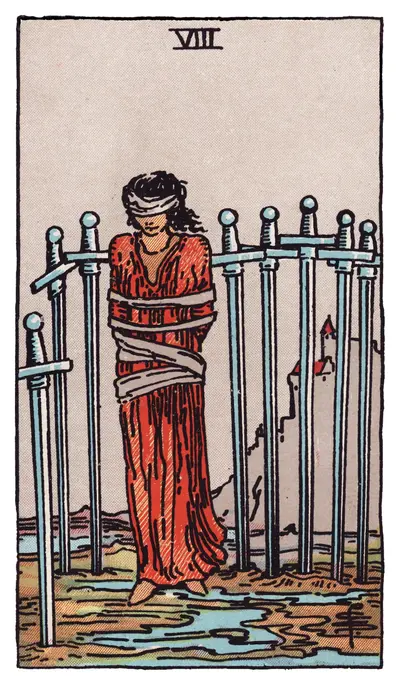
Eight of SwordsSwords · air | restrictionself-limittrapped thinking | releasenew perspectivefreeing yourself | Jupiter in Gemini · decan 1 · 60°–70° |
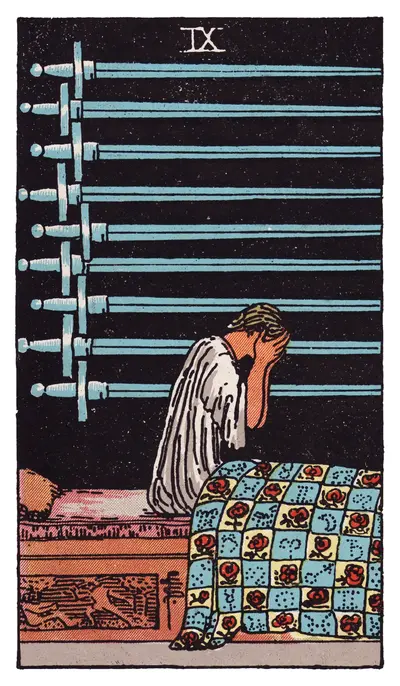
Nine of SwordsSwords · air | anxietysleeplessnessdread | reliefperspectivenaming the fear | Mars in Gemini · decan 2 · 70°–80° |
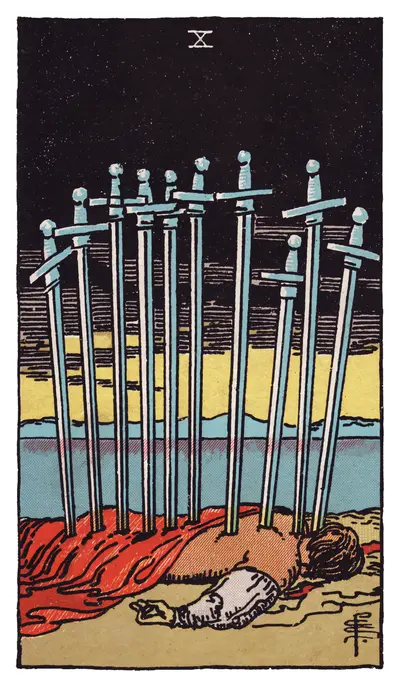
Ten of SwordsSwords · air | endingrock bottomfinality | recoverysurvivingrefusing the ending | Sun in Gemini · decan 3 · 80°–90° |
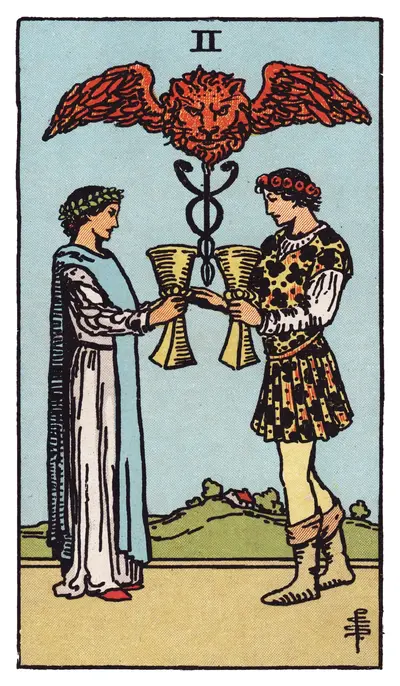
Two of CupsCups · water | mutual regardpartnershipattraction | imbalancedisconnectionwithheld feeling | Venus in Cancer · decan 1 · 90°–100° |
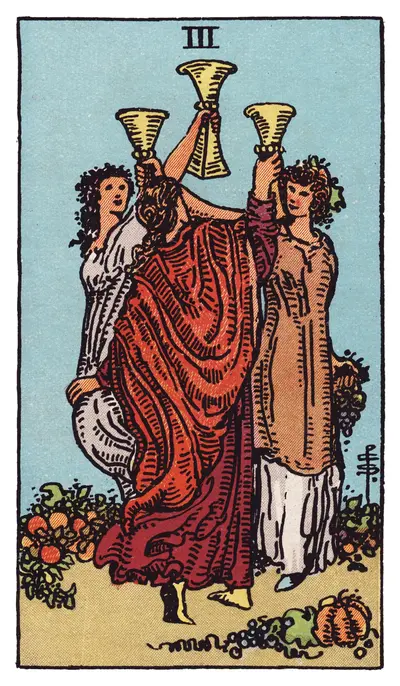
Three of CupsCups · water | friendshipgatheringshared joy | overindulgenceexclusionthinning ties | Mercury in Cancer · decan 2 · 100°–110° |
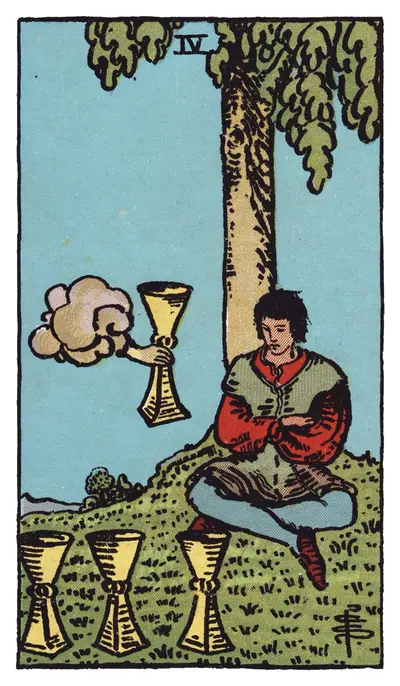
Four of CupsCups · water | discontentapathymissed offer | new interestacceptancere-engagement | Moon in Cancer · decan 3 · 110°–120° |
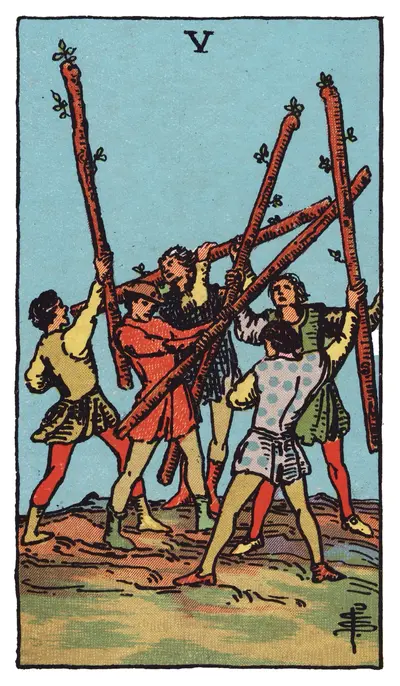
Five of WandsWands · fire | frictioncompetitiontesting | avoided conflictinner tensionresolution | Saturn in Leo · decan 1 · 120°–130° |
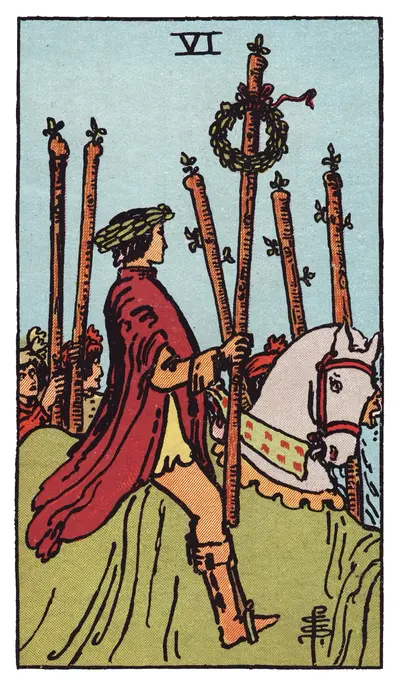
Six of WandsWands · fire | recognitionvictorymomentum | lost creditself-doubthollow win | Jupiter in Leo · decan 2 · 130°–140° |
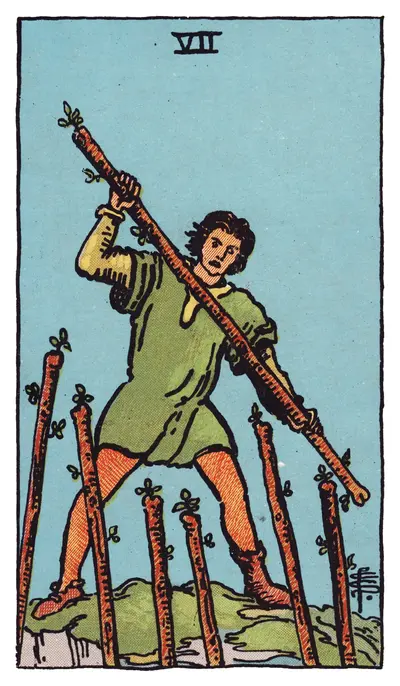
Seven of WandsWands · fire | defending groundconvictionstanding firm | overwhelmgiving wayexhaustion | Mars in Leo · decan 3 · 140°–150° |
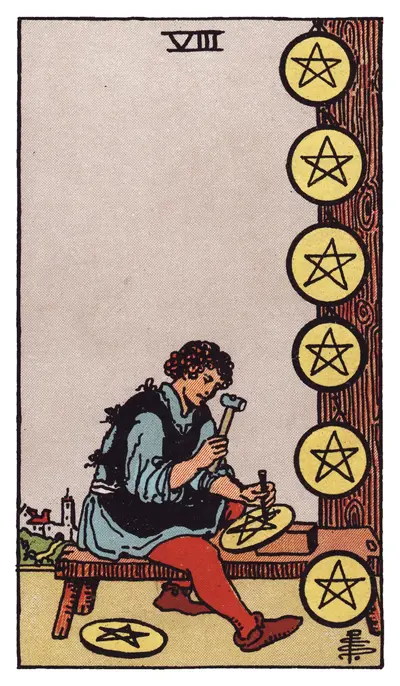
Eight of PentaclesPentacles · earth | skillrepetitionmastery | shortcutsdull workmisdirected effort | Sun in Virgo · decan 1 · 150°–160° |
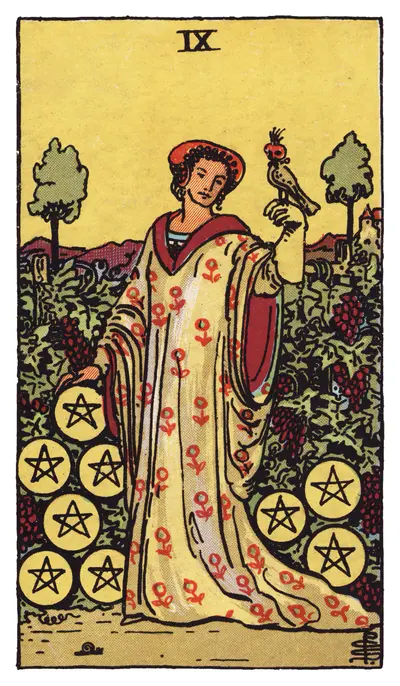
Nine of PentaclesPentacles · earth | self-sufficiencycomfortearned ease | dependenceoverworkhollow luxury | Venus in Virgo · decan 2 · 160°–170° |
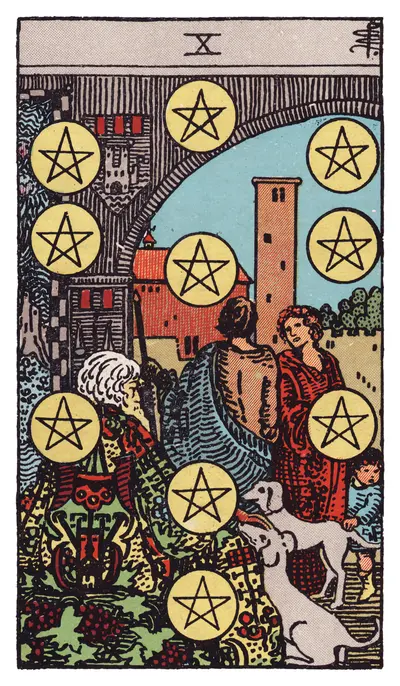
Ten of PentaclesPentacles · earth | legacystabilitylong-term wealth | instabilityfamily strainshort horizon | Mercury in Virgo · decan 3 · 170°–180° |
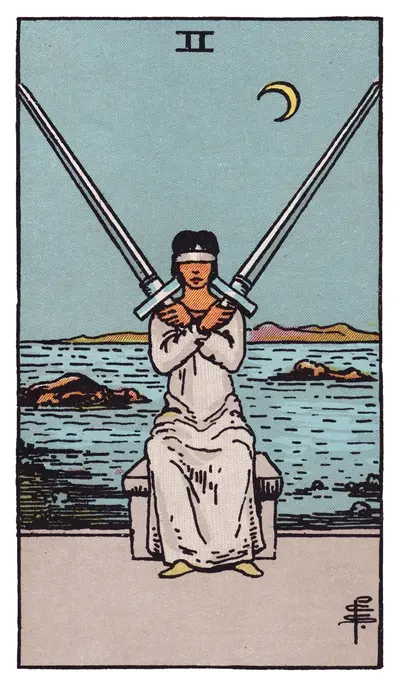
Two of SwordsSwords · air | stalemateavoidanceheld balance | decision forcedinformation arrivesoverwhelm | Moon in Libra · decan 1 · 180°–190° |
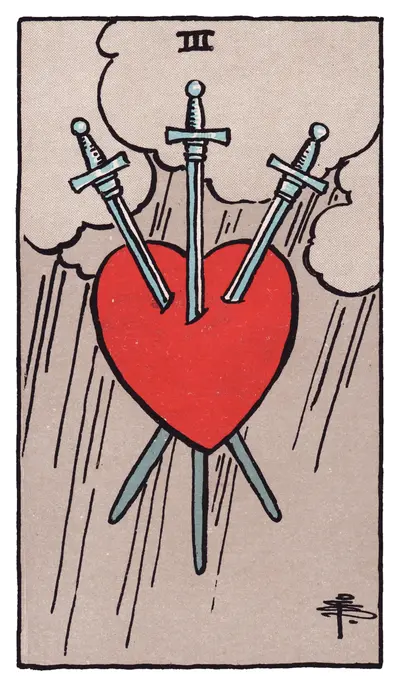
Three of SwordsSwords · air | heartbreakhard truthgrief | healingreleasinglingering hurt | Saturn in Libra · decan 2 · 190°–200° |
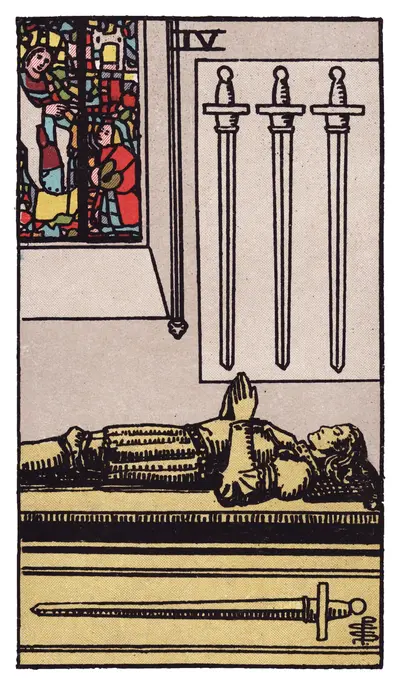
Four of SwordsSwords · air | restrecoverywithdrawal | restlessnessforced returnburnout | Jupiter in Libra · decan 3 · 200°–210° |
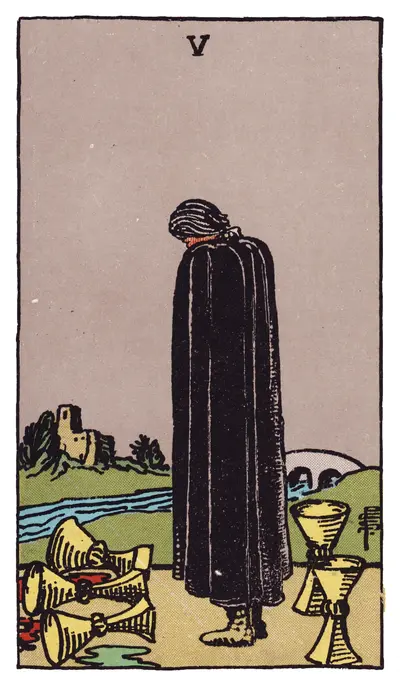
Five of CupsCups · water | griefregretfocus on loss | moving onforgivenessseeing what remains | Mars in Scorpio · decan 1 · 210°–220° |
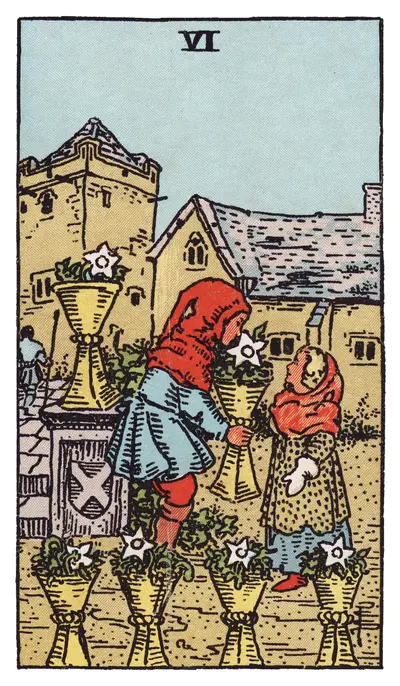
Six of CupsCups · water | nostalgiainnocenceold bonds | stuck in the pastidealisingoutgrowing | Sun in Scorpio · decan 2 · 220°–230° |
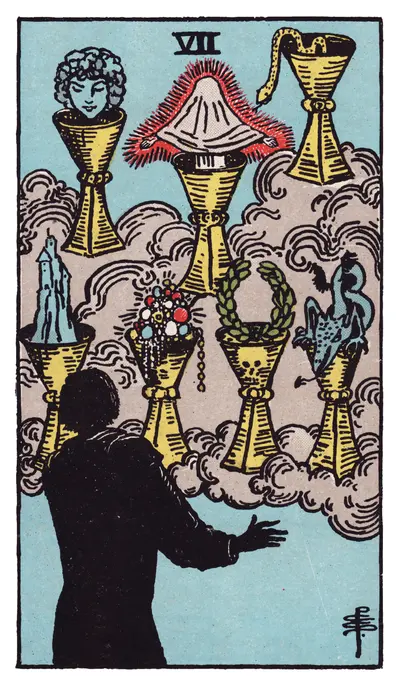
Seven of CupsCups · water | optionsfantasyunclear choice | claritydisciplineone real path | Venus in Scorpio · decan 3 · 230°–240° |
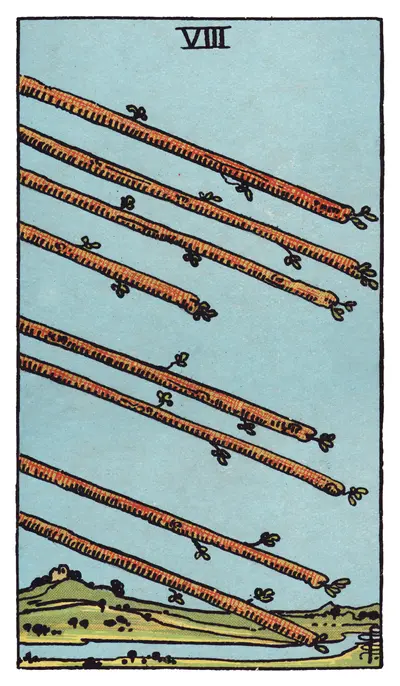
Eight of WandsWands · fire | speedmessagesalignment | delayscattered aimcrossed wires | Mercury in Sagittarius · decan 1 · 240°–250° |
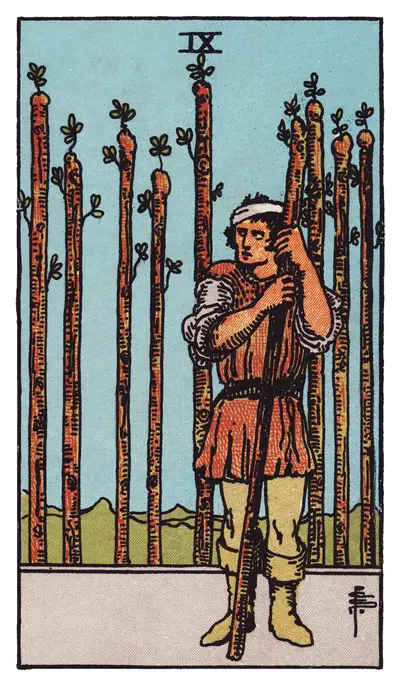
Nine of WandsWands · fire | resiliencelast pushguardedness | depletionparanoiarefusing help | Moon in Sagittarius · decan 2 · 250°–260° |
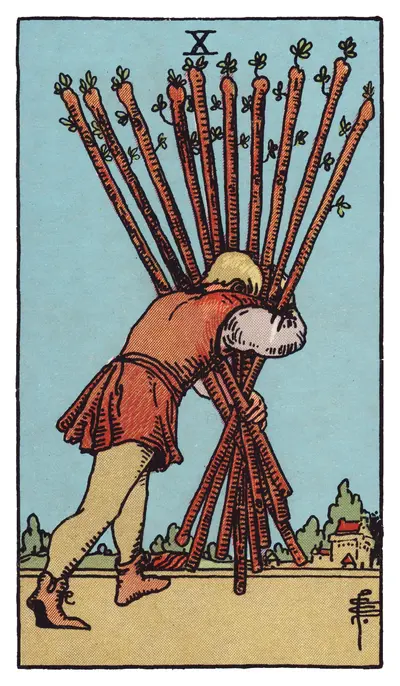
Ten of WandsWands · fire | burdenovercommitmentthe last stretch | putting it downdelegationcollapse | Saturn in Sagittarius · decan 3 · 260°–270° |
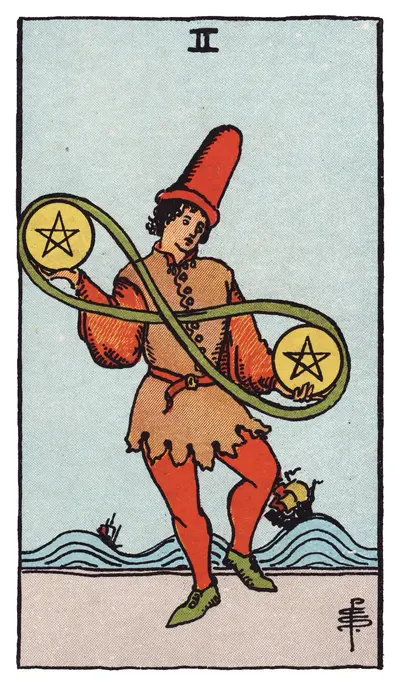
Two of PentaclesPentacles · earth | jugglingadaptabilitypriorities | overcommitmentdropped ballimbalance | Jupiter in Capricorn · decan 1 · 270°–280° |
Three of PentaclesPentacles · earth | craftcollaborationapprenticeship | frictionpoor qualityunrecognised work | Mars in Capricorn · decan 2 · 280°–290° |
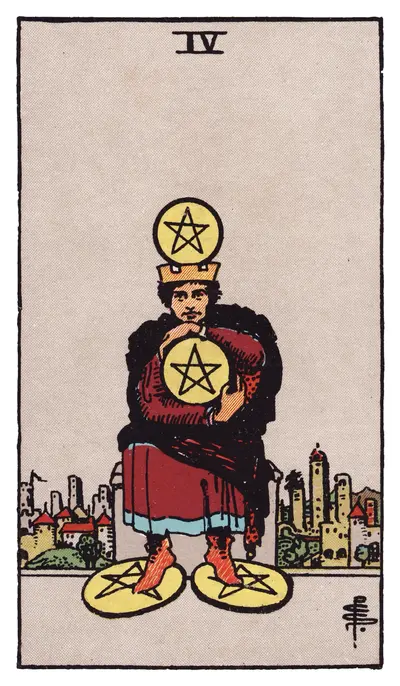
Four of PentaclesPentacles · earth | holding onsecuritysaving | loosening gripscarcity thinkingloss | Sun in Capricorn · decan 3 · 290°–300° |
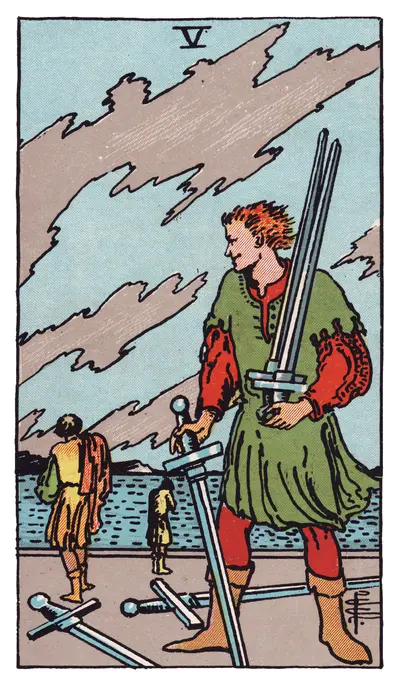
Five of SwordsSwords · air | conflictwinning badlycost | reconciliationstepping downamends | Venus in Aquarius · decan 1 · 300°–310° |
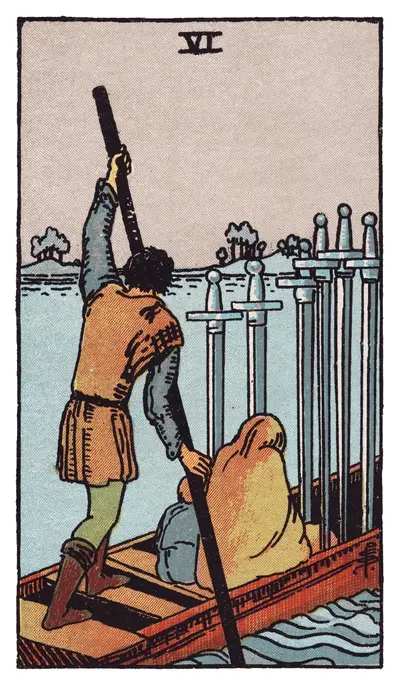
Six of SwordsSwords · air | passageleavinggradual relief | stuckunfinished departureresistance | Mercury in Aquarius · decan 2 · 310°–320° |
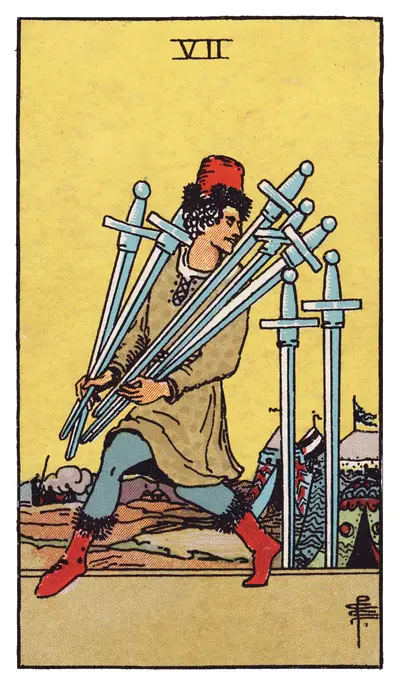
Seven of SwordsSwords · air | strategyevasiongoing it alone | exposureconfessioncoming clean | Moon in Aquarius · decan 3 · 320°–330° |
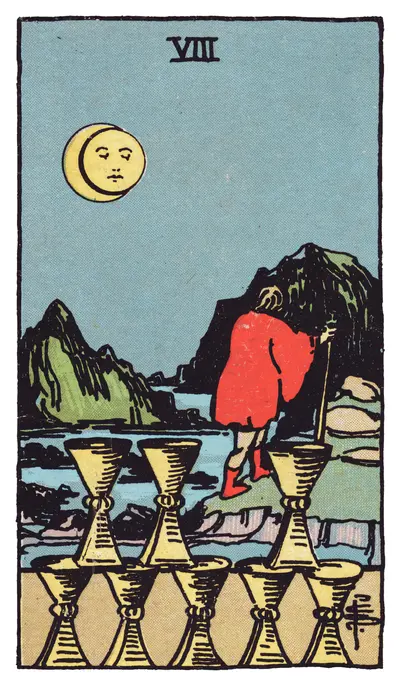
Eight of CupsCups · water | walking awaysearchdisillusion | reluctanceaimless driftingreturning | Saturn in Pisces · decan 1 · 330°–340° |
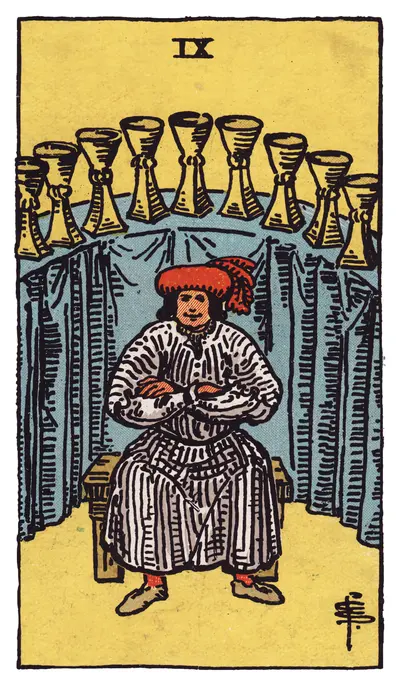
Nine of CupsCups · water | contentmentwish grantedsatisfaction | smugnessshallow wishunmet longing | Jupiter in Pisces · decan 2 · 340°–350° |
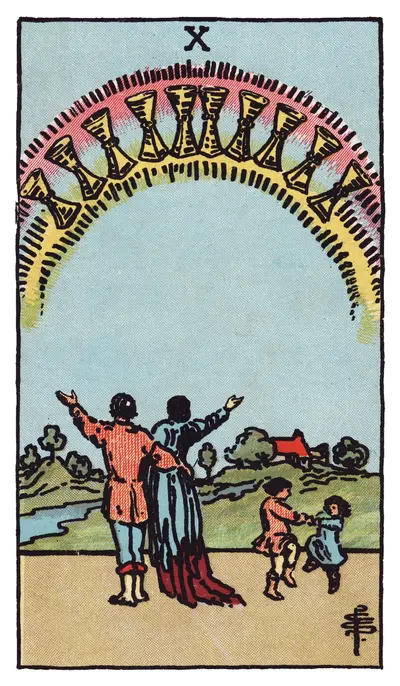
Ten of CupsCups · water | harmonybelongingfulfilment | misaligned valuesstrained homebroken picture | Mars in Pisces · decan 3 · 350°–360° |
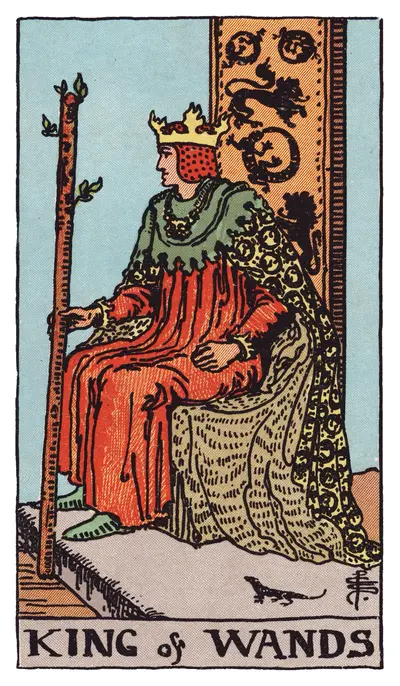
King of WandsWands · fire | visionleadershipboldness | domineeringimpulsive rulearrogance | 20° Scorpio – 20° Sagittarius |
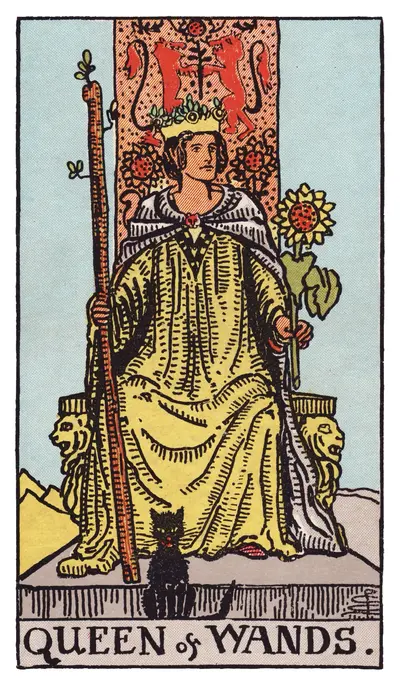
Queen of WandsWands · fire | warmthconfidencemagnetism | insecurityjealousydemanding attention | 20° Pisces – 20° Aries |
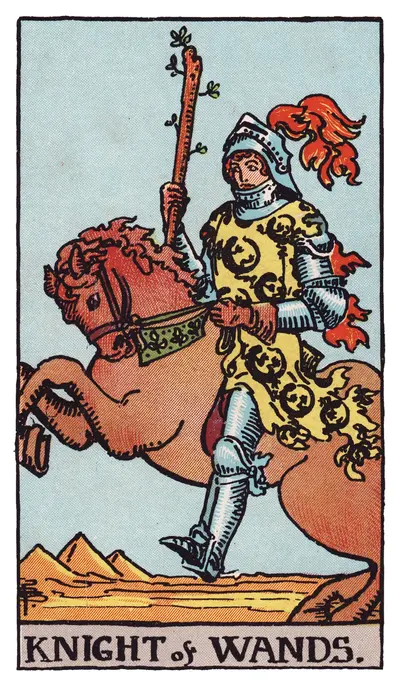
Knight of WandsWands · fire | boldnesspursuitadventure | impulsivenessburnoutabandoned chase | 20° Cancer – 20° Leo |
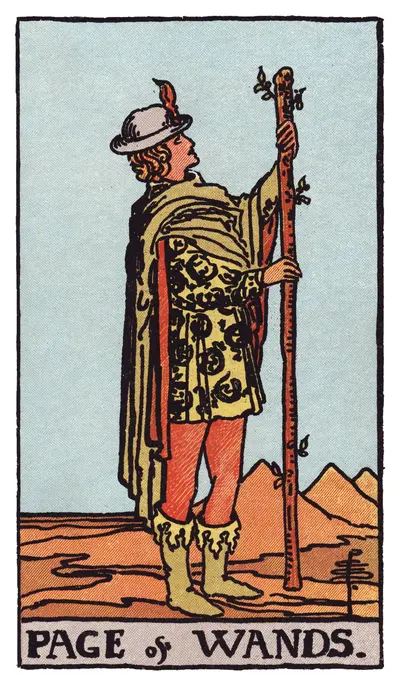
Page of WandsWands · fire | curiositynewsfree spirit | unfocusedunreliableall talk | The Fire quadrant |
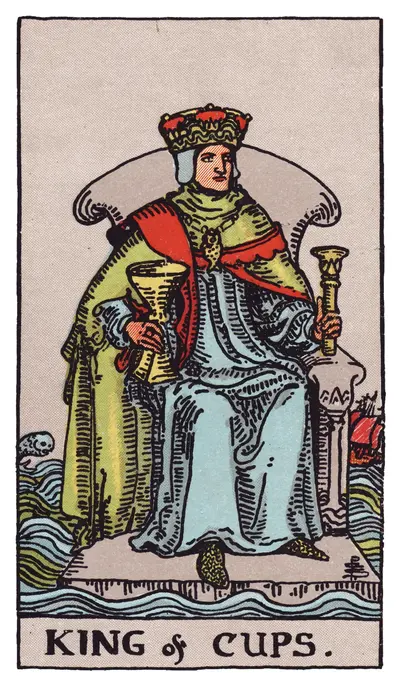
King of CupsCups · water | emotional steadinesscarecomposure | suppressioncoldnessmanipulation | 20° Aquarius – 20° Pisces |
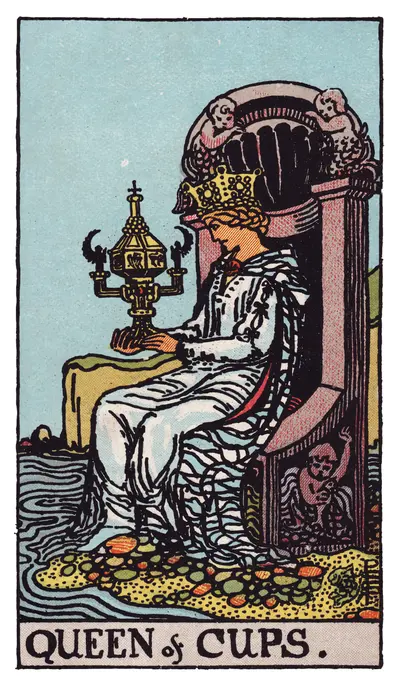
Queen of CupsCups · water | empathyattunementholding space | depletionover-givingemotional flooding | 20° Gemini – 20° Cancer |
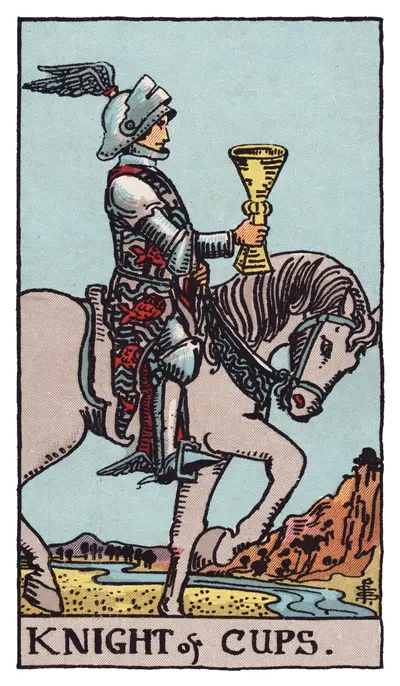
Knight of CupsCups · water | romanceofferfollowing feeling | moodinessunrealistic promisewithdrawal | 20° Libra – 20° Scorpio |
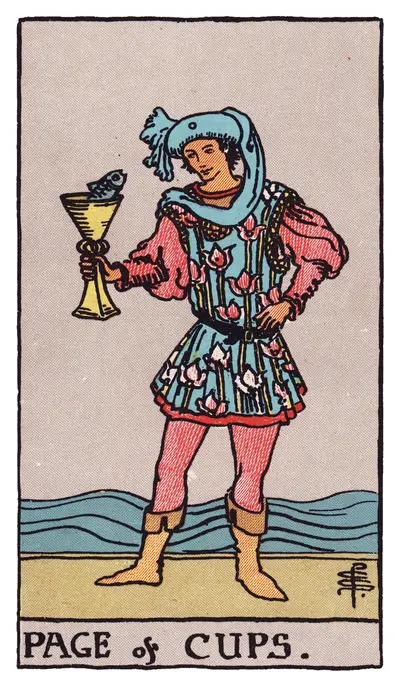
Page of CupsCups · water | tendernessinvitationimagination | oversensitivityescapismimmature feeling | The Water quadrant |
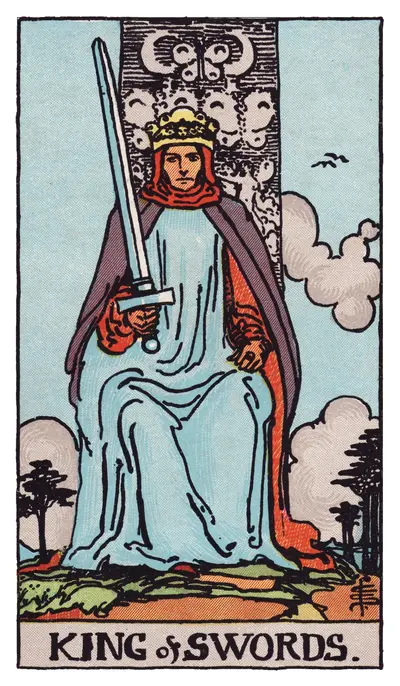
King of SwordsSwords · air | judgementprincipleclear authority | harsh rulerigid logicmisuse of power | 20° Taurus – 20° Gemini |
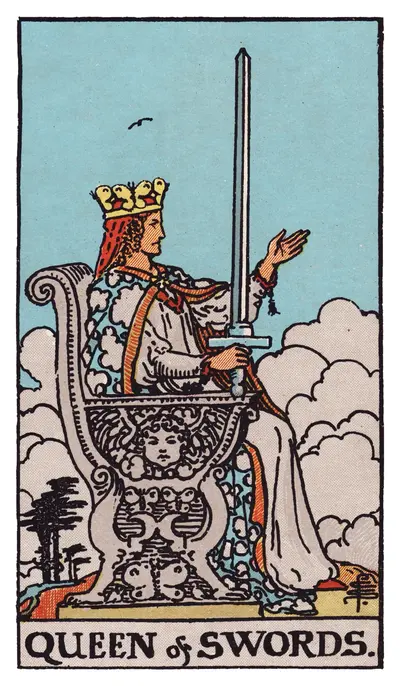
Queen of SwordsSwords · air | perceptionhonestyclear boundaries | coldnesscutting wordsbitterness | 20° Virgo – 20° Libra |
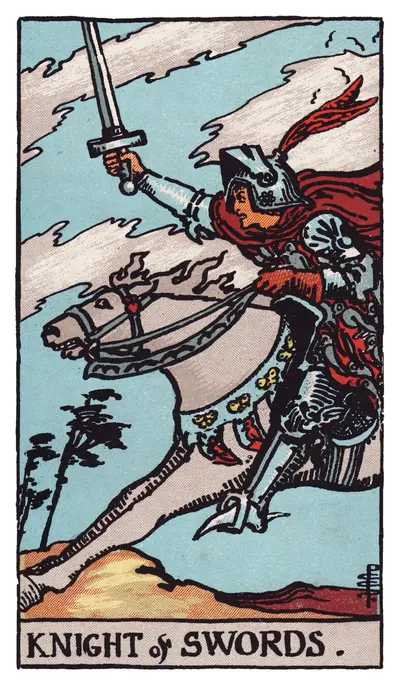
Knight of SwordsSwords · air | driveargumentheadlong action | recklessnessaggressionunfocused speed | 20° Capricorn – 20° Aquarius |
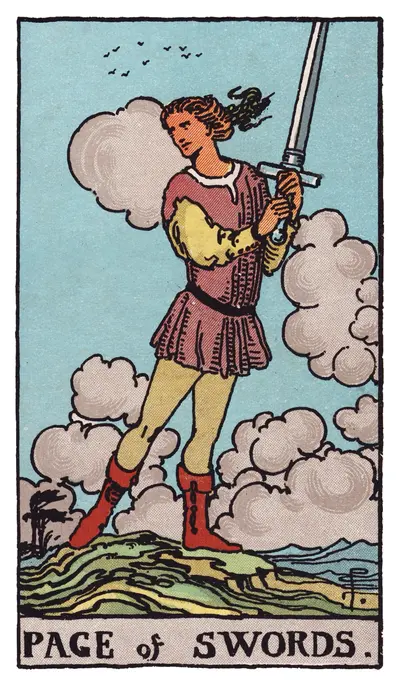
Page of SwordsSwords · air | curiosityquestionswatchfulness | gossiphastehalf-information | The Air quadrant |
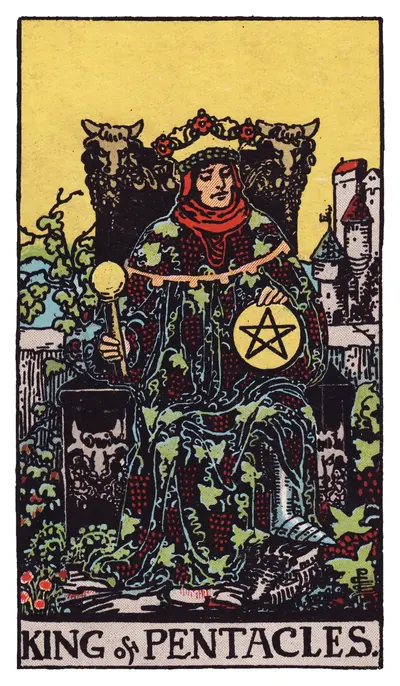
King of PentaclesPentacles · earth | provisionmastery of meansstability | greedcontrol through moneyrigidity | 20° Leo – 20° Virgo |
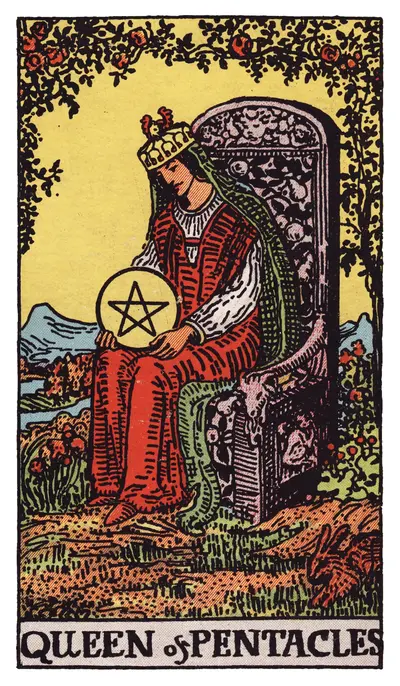
Queen of PentaclesPentacles · earth | practical careresourcefulnessgrounding | self-neglectsmotheringoverwork | 20° Sagittarius – 20° Capricorn |
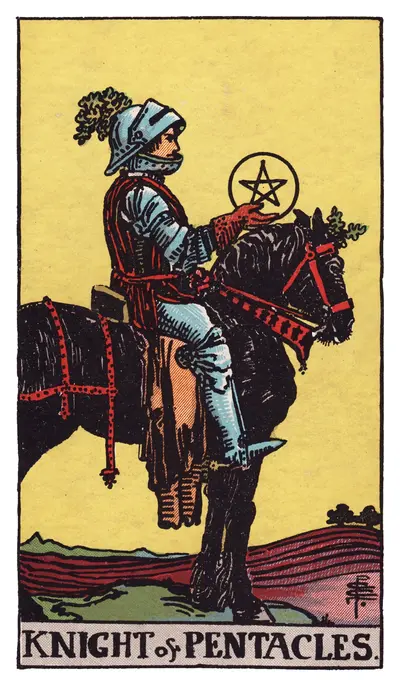
Knight of PentaclesPentacles · earth | diligencereliabilitysteady pace | stagnationstubbornnessdull routine | 20° Aries – 20° Taurus |
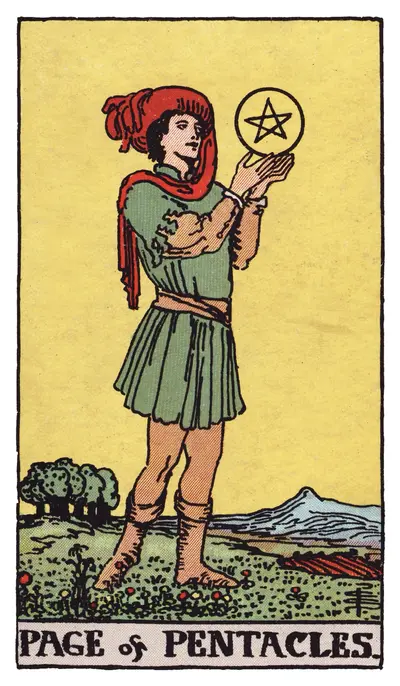
Page of PentaclesPentacles · earth | studypracticalitya first step | procrastinationunfocused plansmissed detail | The Earth quadrant |
How to read these tarot card meanings
This is the full list of tarot card meanings, and it is four columns wide. The fourth is the one worth explaining. Upright and reversed keywords are the shared vocabulary of the category — you will find close variants of them on every tarot card meanings list, because they descend from the same Rider-Waite-Smith tradition and there is no point pretending otherwise. They are a starting vocabulary, not a verdict.
What the fourth column says
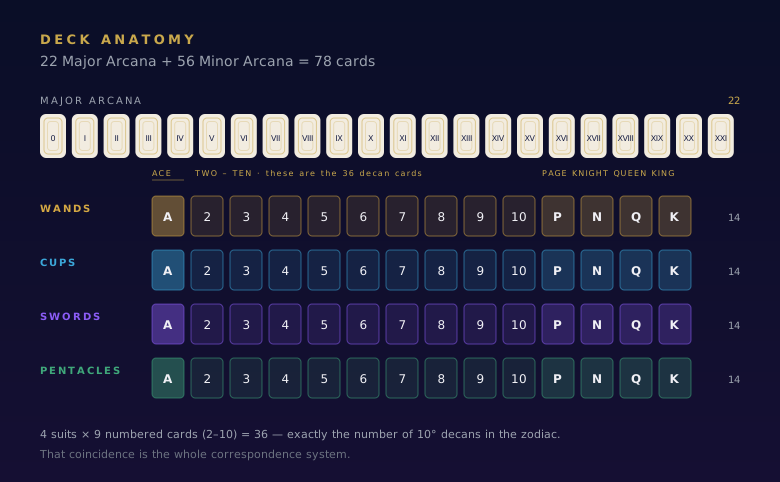
The fourth column is different. It says which part of the zodiac each tarot card governs, and it is computed from the deck rather than written out card by card. For the thirty-six numbered cards from Two to Ten it gives a ruling planet, a sign, a decan number and an exact degree range: the Six of Cups rules 220° to 230°, which is the second ten degrees of Scorpio, under the Sun.
What that range makes possible
That range is what makes the rest of this site able to answer a question no card list can. If you know where your planets sit, you know which of these cards they fall under — not as an interpretation but as a lookup. The other rows work differently: the twenty-two Majors take a sign, a planet or an element each; the four Aces are the roots of their elements and hold no zodiacal span; the twelve non-Page court cards straddle twenty degrees of one sign and twenty of the next.
None of it is an opinion
Nothing in that column is an opinion, which means you can check any row of it against any published Golden Dawn correspondence table. That is a deliberately low bar to clear and almost nothing in this category clears it.
The Major Arcana: the twenty-two
The Majors are the tarot cards most people can name. Numbered zero to twenty-one, they are usually described as a journey — the Fool sets out at zero and the World closes the circle at twenty-one — and read as the large, structural themes of a reading rather than its day-to-day detail.
Why they feel weightier than they are
That reputation is partly a matter of proportion. Twenty-two cards out of seventy-eight means a Major turns up in roughly one draw in four, so a spread with two or three of them genuinely is unusual, and readers have learned to treat that as a signal. It is also why a reading of nothing but Minors is not a weak reading; it is a reading about ordinary life, which is what most questions are about.
How the twenty-two split astrologically
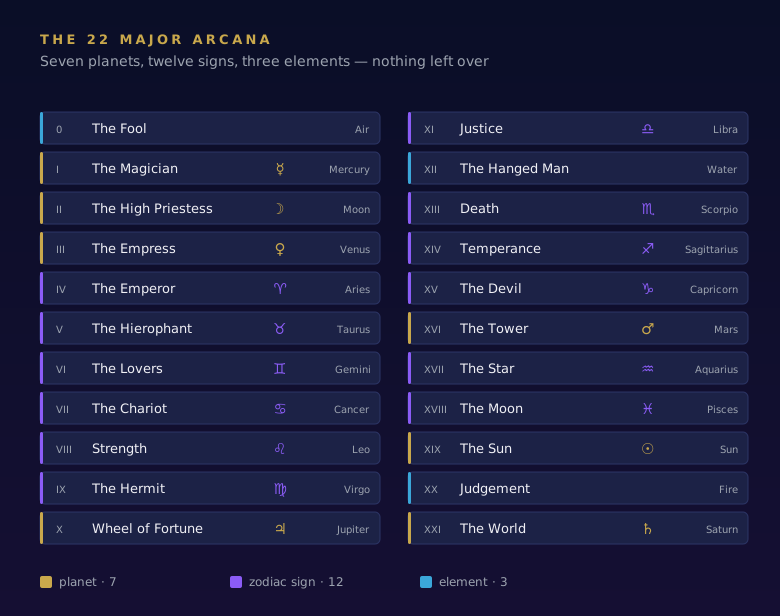
Astrologically they split three ways. Twelve take a zodiac sign each, seven take a classical planet each, and three take an element. That the three groups add to exactly twenty-two without a card left over or doubled up is the reason this particular attribution became standard rather than one scheme among several.
Strength and Justice: the numbering trap
One trap worth knowing before you compare tables. In the Rider-Waite deck Strength is numbered eight and Justice eleven, while the Golden Dawn had them the other way around. Waite swapped the numbers, not the signs — Strength is Leo and Justice is Libra either way. A table that moves the sign along with the number has made an error that looks exactly like a correction.
The four suits
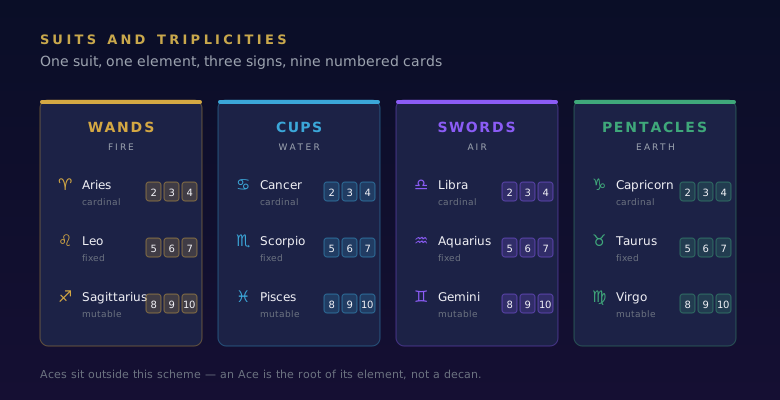
The fifty-six Minor Arcana split into four suits of fourteen, and each suit is an element. The correspondence is old and consistent across the tradition, which is why it is the safest structural fact in the deck: if you remember nothing else about a suit, its element will carry most of the meaning.
Fire
Wands
Wands are fire: drive, initiative, the part of a situation that wants to move. They cover the nine decans of Aries, Leo and Sagittarius. A spread heavy in Wands is usually about momentum, and about whether there is too much or too little of it.
Water
Cups
Cups are water: feeling, attachment, what a situation means to you rather than what it does. They cover Cancer, Scorpio and Pisces. Cups answer the question underneath the question, which is why they turn up so often in readings that were ostensibly about something practical.
Air
Swords
Swords are air: thought, speech, conflict, the cost of clarity. They cover Libra, Aquarius and Gemini. The suit has a hard reputation because several of its cards are genuinely bleak, but air is also the element of naming things accurately, and a Swords-heavy reading is often one where the useful move is to say the thing out loud.
Earth
Pentacles
Pentacles are earth: money, work, the body, anything with a material result. They cover Capricorn, Taurus and Virgo. This is the suit of outcomes you can count, and it is the one that most often answers "yes, but it will take time".
The ranks are a second structure
The ranks follow a second structure, and it is what ties the suits to the zodiac. Twos, Threes and Fours fall in cardinal signs, Fives, Sixes and Sevens in fixed signs, Eights, Nines and Tens in mutable ones. So the Six of Cups has to be a fixed water sign, and the only fixed water sign is Scorpio. Suit and rank together determine the decan before anyone gets to interpret anything.
The court cards
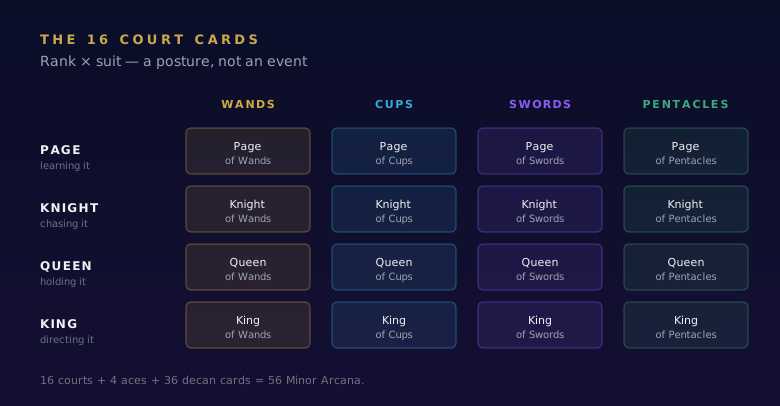
Sixteen cards, four per suit: Page, Knight, Queen and King. They are the tarot cards most readers find hardest, because a court card can be a person, an attitude you are taking, or an attitude being taken toward you, and nothing on the card says which.
Read the rank as a mode, not a person
The useful habit is to read the rank as a mode rather than a rôle. Pages are beginning and learning; Knights are pursuing, sometimes past the point of usefulness; Queens hold and sustain; Kings direct and take responsibility for the result. Combine that with the suit element and most court cards resolve without needing to decide whether they are a person at all.
The twelve that carry a zodiacal span
Astrologically twelve of the sixteen carry a zodiacal span of thirty degrees — twenty degrees of one sign running into twenty of the next — which is why they sit across sign boundaries rather than inside them. The four Pages are the exception: the Golden Dawn gave them quadrants of the sky rather than arcs of the zodiac, so they have an element and no degree range, and the chart tool on this site never returns one.
Upright and reversed
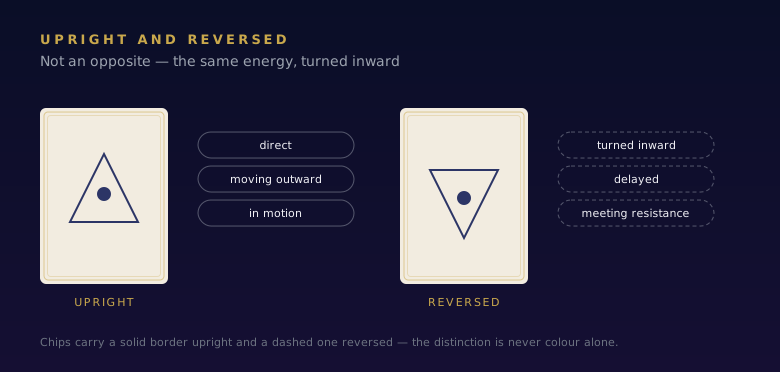
A reversed tarot card is one that comes out of the shuffle upside down, and what it means is one of the few genuinely contested questions in tarot. The three common positions: a reversal blocks or weakens the upright meaning; it inverts it; or it turns it inward, from something happening to you to something you are doing.
Three defensible systems, none of them correct
All three are defensible and none is correct in the way a decan is correct. The keywords in the table above lean toward the third reading, because it is the one that stays useful most often — "the Tower reversed" as a reckoning you are postponing says something you can act on, where "the opposite of the Tower" says almost nothing.
Reading without reversals at all
Reading without reversals at all is a legitimate practice and a common one. The information is still in the spread: a card that would have been reversed is a card sitting among others that qualify it, and most readers who drop reversals find they lose less than they expected.
Reversals do not reach the astrology
One place reversals do not apply is the astrology side of this site. Reversals come from the physical act of shuffling and laying cards out. A planet at a degree is not upside down, so the chart spread returns upright cards only — and a page that offered a reversed decan would be inventing a distinction the source has no room for.
Which of these cards are yours?
Two different questions hide inside that one, and they have different kinds of answer.
Question 1
Which cards your chart falls under
The first is which cards your chart falls under. That is a lookup: each planet sits at a degree, each degree sits in a decan, and each decan is one of the thirty-six numbered cards in the table above. Nine placements, nine cards, identical every time and checkable against the fourth column. The tarot and astrology page does this from your birth details and prints the degree beside every card.
Question 2
Your birth card, from the digits of a date
The second is your birth card, which comes from adding up the digits of your birth date until the total falls to twenty-two or less. It is deterministic and it is a real tradition, but it is worth being clear that it is a numerological convention rather than a statement about the sky. Both are worth knowing; only the first can be checked against where anything actually was.
Why keeping them apart matters
Keeping those two apart is not pedantry. The whole reason a card resolved from a degree is interesting is that it could be wrong and is not, and a page that quietly mixes it with an arithmetic trick gives up that distinction for nothing.
Using these tarot card meanings in a reading
Read the spread before you read the individual tarot card meanings. Which suits turned up, how many Majors, whether the ranks cluster low or high — those tell you what kind of question you are actually looking at, and they are visible before you have interpreted a single image.
Let the position modify the meaning
Then let position modify meaning. The same card in a "what is ending" position and a "what is beginning" position is not making the same statement, and a keyword list read card by card will flatten that difference. The keywords above are there to give you a vocabulary, not to be read out.
Keep the claim honest with yourself
And keep the copy honest with yourself. A card is a prompt for reflection attached to a question you chose to ask; it is not a forecast, and the tools on this site are written to that line throughout — timing of your own actions, never prediction of events. It is a better reading anyway, because advice you can act on beats a prediction you can only wait for.
Which of these cards is in your chart?
Every numbered card from Two to Ten rules ten degrees of the zodiac. Enter your birth details and see which ones your own planets fall under — with the degree printed beside each, so you can check it against the table above.